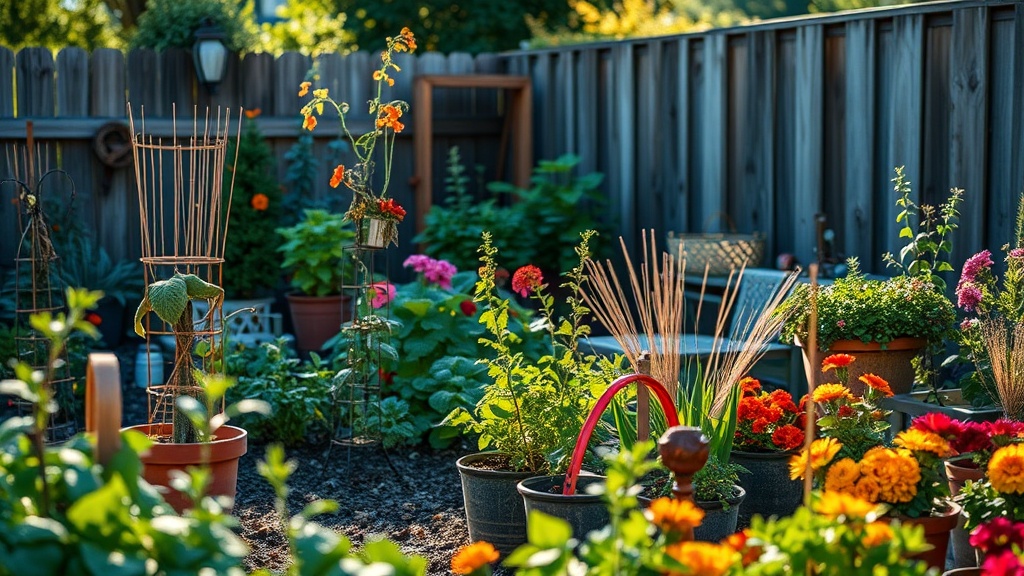
Setting Up a Seasonal Backyard Garden in Eastern Ontario

This guide explains how to select, prepare, and maintain a seasonal backyard garden specifically for the climate and soil conditions found in Eastern Ontario. You'll learn about local hardiness zones, soil preparation techniques, and the best timing for planting vegetables and perennials in the Rideau Lakes region. We'll also look at the specific tools and supplies you'll need to succeed despite our unpredictable spring weather.
What is the best time to start a garden in Eastern Ontario?
The best time to start your garden depends on whether you are starting seeds indoors or planting transplants directly into the ground, but generally, you should wait until the danger of frost has passed in late May or early June. In our part of Ontario, the last frost date can be unpredictable. While some years it hits early May, many gardeners in the Rideau Lakes area find that the ground is still far too cold for sensitive crops like tomatoes or peppers until the end of May.
If you want to get a head start, you can begin indoor seed starting in late February or March using grow lights. This gives your seedlings a "head start" before the heavy lifting begins outdoors. You'll want to keep an eye on the USDA Hardiness Zone map to understand which plants can survive a late frost in our specific microclimate.
Here is a rough timeline for a standard Eastern Ontario garden season:
- Late March: Order seeds and buy organic fertilizers.
- April: Start seeds indoors (tomatoes, peppers, basil) under lights.
- May: Direct sow hardy greens (peas, radishes, spinach) once the soil is workable.
- Late May/Early June: Transplant the "warm weather" crops once the soil is warm.
- July/August: Consistent watering and weeding.
- September: Harvest remaining crops and prepare for frost.
How do I prepare my soil for a new garden bed?
You prepare your soil by testing its pH and adding organic matter like compost or well-rotted manure to improve structure and nutrient levels. Most of the soil in our region tends to be heavy clay, which holds water well but can become a muddy mess if you aren't careful. If you try to work wet clay, you'll end up with compacted soil that prevents roots from growing. It’s a common mistake—don't do it!
First, you need to clear the area of any grass or weeds. You can use the "no-dig" method by layering cardboard over the grass and covering it with several inches of compost and topsoil. This kills the weeds naturally without the need for heavy digging that can disturb the soil biology. If you prefer traditional methods, a sturdy spade and a garden fork will be your best friends.
Once the area is clear, add a layer of high-quality compost. I personally recommend looking for local sources of compost or even using organic waste from your own kitchen. Adding organic matter helps break up that stubborn clay. It also helps with drainage during our heavy spring rainfalls. You might want to check the Ontario government resources on soil health to understand more about the long-term benefits of organic matter.
A quick tip: Don't go out and till your garden if the ground is still frozen or soaking wet. You'll destroy the soil structure and make your life much harder come July.
Essential Tools for the Eastern Ontario Gardener
You don't need a shed full of expensive equipment to get started, but a few reliable tools make the job much easier. I've found that investing in a few high-quality items is better than buying cheap versions that break after one season.
| Tool | Why You Need It | Recommended Brand/Type |
|---|---|---|
| Hand Trowel | Digging small holes for seedlings. | Fiskars or Spear & Jackson |
| Garden Fork | Breaking up heavy clay soil. | A heavy-duty steel digging fork |
| Hose with Spray Nozzle | Consistent watering for vegetables. | Gardena (great for pressure control) |
| Pruning Shears | Trimming and harvesting. | Felco (they last a lifetime) |
| Raised Bed Kit | Managing poor soil quality. | Cedar or heavy-duty galvanized steel |
Which vegetables grow best in our climate?
Vegetables that thrive in Eastern Ontario are those that can handle a shorter growing season and occasional temperature swings, such as leafy greens, root vegetables, and hardy brassicas. If you want to grow more "fussy" plants like melons or heat-loving peppers, you'll need to be much more diligent about providing warmth and protection.
For beginners, I suggest starting with "tried and true" crops. These are much more forgiving if the weather turns sour for a week. Some of the best performers in our area include:
- Bush Beans: They grow quickly and don't require much fuss.
- Zucchini: One plant can produce a ridiculous amount of food.
- Kale and Chard: These are incredibly hardy and can even handle a light frost.
- Cucumbers: They love the sun, but make sure they have a trellis for support.
- Potatoes: Our soil is actually great for tubers if you get the drainage right.
If you're interested in the nutritional side of things, you might enjoy finding the best local harvest markets in Eastern Ontario to see what's currently in season nearby. It's a great way to see what's actually growing well in our local microclimates before you commit to a certain crop.
One thing to remember: the sun is your best friend. Most vegetables need at least six to eight hours of direct sunlight to produce a good yield. If your backyard is heavily shaded by old-growth trees (which we have plenty of around the Rideau Lakes), you might want to stick to leafy greens and herbs rather than sun-loving tomatoes.
How much water does a backyard garden actually need?
A backyard garden needs consistent moisture, particularly during the heat of July and August, with a target of about one inch of water per week. Most gardeners tend to overwater or underwater because they aren't checking the soil depth. A good rule of thumb is to stick your finger two inches into the dirt—if it feels dry, it's time to water.
Watering the leaves of your plants is a mistake that can lead to fungal diseases. Instead, aim your hose or watering can at the base of the plant. This ensures the water reaches the roots where it's actually needed. If you're using a drip irrigation system, you'll save a lot of time and water in the long run. It's a bit of an upfront investment, but it's worth it during those dry spells we get in mid-summer.
Mulching is another way to manage water. Adding a layer of straw or wood chips around your plants helps retain moisture and keeps the soil temperature stable. This is especially helpful if we hit an unexpected heatwave. Just make sure you aren't piling mulch directly against the stems of your plants, as this can cause rot.
The weather in Eastern Ontario can be temperamental. One week it's a heatwave, and the next, we have a week of heavy rain and overcast skies. Because of this, I always recommend having a plan for both scenarios. If you have a particularly wet spring, you might need to be more aggressive about weeding and ensuring your drainage is working. If it's a dry summer, you'll be out there with the hose more often than you'd like.
When you're finished with your garden for the season, don't forget to clear out the dead foliage. This helps prevent pests from overwintering in your soil. If you have a lot of perennials, you might want to look into preparing your cottage for the first frost to ensure your outdoor plants are protected before the hard freeze hits.
Steps
- 1
Test Your Soil Quality
- 2
Choose the Right Sunlight Exposure
- 3
Select Local Seed Varieties
- 4
Install Proper Irrigation Systems