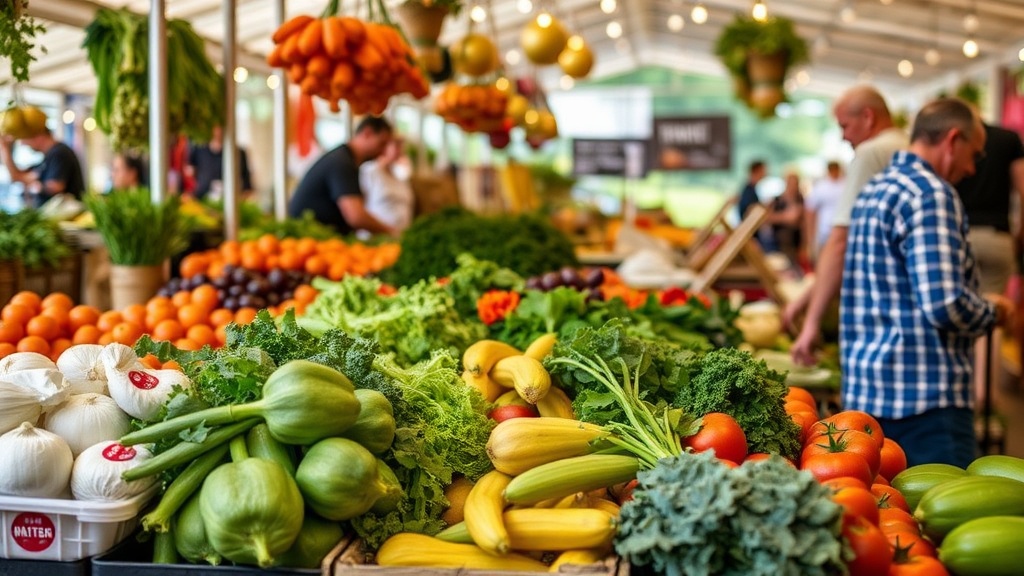
Finding the Best Local Harvest Markets in Eastern Ontario

Are you tired of buying wilted, flavorless vegetables from the supermarket that were shipped from halfway across the world? This guide helps you identify the best harvest markets across Eastern Ontario, explains how to shop seasonal produce effectively, and provides a roadmap for finding high-quality local goods near Rideau Lakes.
Where Can I Find Fresh Local Produce Near Rideau Lakes?
You can find high-quality local produce at various farmers' markets and farm stands throughout the Rideau Lakes, Smiths Falls, and Perth regions. Many of these locations operate on seasonal schedules, meaning they are most active from late May through October. If you're looking for a reliable weekly routine, checking the Ontario Ministry of Agriculture, Food and Rural Affairs website can often provide updates on regional agricultural standards and seasonal availability.
In our neck of the woods, the market scene isn't just about vegetables. It's a community staple. You'll find everything from local honey to artisanal cheeses. I've noticed that the best way to find these gems is to look for small-scale farm stands that pop up along the secondary highways—the ones that don't always have a flashy website but have the best corn you've ever tasted.
The Perth Farmers' Market is a standout option for those who want a more structured experience. It's a great place to meet the people actually growing your food. (And yes, the coffee there is actually decent.)
If you're a cottage owner, you might want to stock up on heavy-duty storage containers or even look into local municipal guidelines for seasonal properties to ensure your pantry stays organized. It's a smart way to prepare for the shorter growing season.
Common Seasonal Produce Availability
Don't expect strawberries in October. The seasonality of Eastern Ontario is strict, but that's what makes the harvest so much better when it arrives. Here is a rough idea of what to look for during the peak months:
| Season | Typical Produce | Best For... |
|---|---|---|
| Late Spring (May/June) | Asparagus, Radishes, Green Onions | Spring Salads |
| High Summer (July/August) | Strawberries, Peaches, Tomatoes, Sweet Corn | BBQs and Fresh Fruit |
| Early Fall (Sept/Oct) | Apples, Squash, Pumpkins, Root Vegetables | Baking and Roasting |
How Much Does Local Produce Cost Compared to Supermarkets?
Local produce prices vary depending on the specific item and the current growing season, but you'll often find that the price per unit is comparable to supermarkets when you factor in the quality and shelf life. While a pint of organic blueberries at a local stand might seem more expensive than the generic brand at a big-box store, they actually last much longer because they haven't traveled thousands of kilometers.
It's not just about the price tag on the sticker. It's about the value of the nutrient density. When you buy from a farm stand near the Rideau Canal, you're getting food that was likely picked yesterday. That matters.
One thing to keep in mind: prices fluctuate wildly based on the weather. A heavy frost or a particularly wet June can send the price of tomatoes or berries up. This is a natural part of the Ontario growing cycle. If you want to save money, buy what is currently in abundance. When the corn is everywhere, it's cheap. When it's the last of the season, it's a premium item.
Sometimes, it's worth checking out the "ugly" produce bins. Many farmers sell slightly imperfect-looking vegetables at a discount. They taste exactly the same as the perfect ones. It's a great way to reduce waste and keep your grocery bill down.
What Should I Look For When Buying Local?
Look for vibrant colors, firm textures, and seasonal relevance to ensure you're getting the best value. If you see a tomato that looks like a perfect, red sphere in the middle of a Canadian winter, it likely wasn't grown nearby.
Here are a few things I always check before I hand over my cash:
- The Scent: A real tomato should smell like a tomato. If there's no scent, it's likely been sitting in a cold storage facility for too long.
- The Color: Deep, rich colors usually indicate higher nutrient levels.
- The Season: If it's not in season, don't bother. You're better off waiting a few weeks for the real deal.
- The Farmer: If you can talk to the person selling the product, do it. They can tell you exactly how to store it to make it last.
I've found that building a relationship with a specific vendor is one of the best ways to get the "good stuff" before it sells out. I often visit agricultural resource sites to understand the general harvest cycles in Canada, but nothing beats a direct conversation with a local grower.
If you're a regular at these markets, you'll eventually learn the rhythm. You'll know exactly when the first peach of the season hits the stands. It's a ritual. It's part of living in the Rideau Lakes area.
Interestingly, many people find that buying local helps them develop better habits. For instance, when I started shopping seasonally, I found myself much more aware of my kitchen management. It's a bit like managing local properties; you have to be in tune with the environment to be successful.
The best time to visit these markets is early in the morning. Most of the high-demand items—the really good sourdough, the fresh-picked berries, the heirloom tomatoes—are often gone by noon. If you show up at 11:00 AM on a Saturday, you're likely looking at the leftovers.
Don't forget to bring your own reusable bags. Most local vendors appreciate it, and it's much better for the environment than using those flimsy plastic ones from the grocery store. It's a small way to support the local ecosystem.
If you're planning a larger haul, I recommend bringing a cooler with ice packs. This is especially true if you're driving home from a market in a different town. Keeping your dairy and meats at a safe temperature is a non-negotiable for food safety.
Lastly, keep an eye on local community boards. Often, the best "markets" aren't even official markets. They are just farmers selling out of the back of a truck on the side of a rural road. These are the spots where you find the most authentic Eastern Ontario experience.
Steps
- 1
Check Seasonal Calendars
- 2
Visit Early for Best Selection
- 3
Bring Reusable Bags
- 4
Ask Growers About Availability