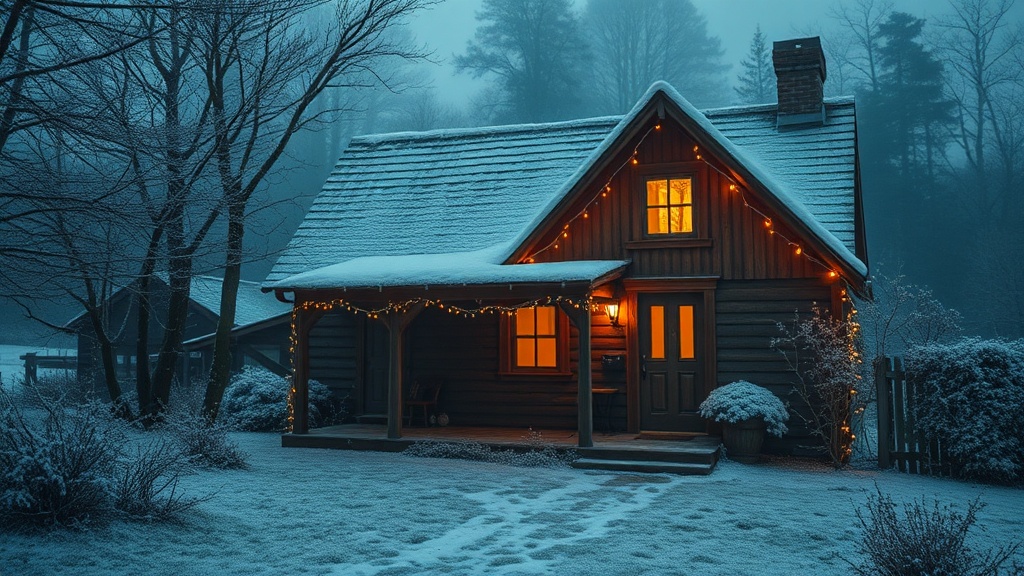
Preparing Your Cottage for the First Frost

The first crisp snap in the air usually arrives somewhere between late September and mid-October here in the Rideau Lakes region. It's that subtle shift where the humidity vanishes, the morning mist hangs a little longer over the water, and the local geese start their southward trek. Preparing your cottage for the first frost isn't just about tidying up; it's about protecting your investment from the brutal Ontario winter. This guide walks through the specific steps you need to take to winterize your plumbing, outdoor structures, and seasonal gear so you don't return to a flooded basement or a broken pump in the spring.
If you own a seasonal property around Upper Rideau or even a year-round home near Westport, you know that the freeze-thaw cycle in Eastern Ontario can be unforly punishing. A little bit of foresight now saves a massive headache—and a lot of money—later.
How Do I Winterize My Cottage Plumbing?
The most effective way to winterize your plumbing is to drain every line, empty the water heater, and blow out the lines with compressed air if you have a professional system installed.
Start with the outdoor spigots. Even if you have a frost-free hydrant, it's much safer to disconnect your hoses and drain the lines completely. If you leave a garden hose attached, the water trapped inside will freeze and crack the valve. It's a mistake I see way too often at the local hardware stores in Smiths Falls or Perth every October.
The Plumbing Checklist:
- Drain the Water Heater: Turn off the power or gas to the heater first. Drain the tank completely using the valve at the bottom.
- Empty the P-Traps: Go to every sink, tub, and shower. Pour a little bit of non-toxic antifreeze (the kind used for RVs, like Thetford) down the drains to prevent the water in the traps from freezing and cracking the porcelain or plastic.
- Flush the Toilets: Turn off the water supply valves behind the toilet. Flush the toilet to empty the tank, then leave the valve in the "off" position.
- The Ice Maker: If you have a fridge with an automatic ice maker, disconnect the water line and drain the line.
For those of you with a well system, things get a bit more complicated. You might need to blow out the lines using an air compressor to ensure no water remains in the lines leading to the pump. You can find more technical details on well maintenance via Wikipedia's entry on water wells, but honestly, if you aren't comfortable with air compressors, call a local technician. It's worth the peace of mind.
What Should I Do With My Outdoor Furniture and Gear?
Store your cushions, electronics, and delicate fabrics in a dry, temperature-controlled environment like a garage or a shed to prevent mold and UV damage. The elements in the Rideau area can be harsh—wind and snow-melt are a brutal combination for outdoor fabric.
Don't just throw a tarp over everything and call it a day. A tarp can actually trap moisture underneath, creating a humid microclimate that breeds mildew. Instead, use breathable covers or bring items indoors. If you have high-end outdoor furniture, like Brown Jordan or Trex decking accessories, you'll want to be particularly careful about debris buildup.
Seasonal Storage Comparison:
| Item Type | Storage Method | Why It Matters |
|---|---|---|
| Patio Cushions | Indoor/Dry Bin | Prevents mold and mildew growth. |
| Gas BBQ | Covered/Dry Shed | Protects burners from moisture and rust. |
| Garden Tools | Clean/Oiled/Indoor | Prevents rust and keeps handles from cracking. |
| Dock Bumpers | On Land/Dry | Prevents degradation from UV and ice. |
One thing to remember: if you're storing your BBQ, make sure the propane tank is disconnected and stored in a safe, ventilated area. Never store a propane tank inside your cottage or a tight basement. It's a massive safety risk.
How Do I Protect My Septic System Before Winter?
The best way to protect your septic system is to avoid running excessive water and to ensure no heavy-duty chemicals enter the system before the ground freezes. While you can't "winterize" a septic tank in the same way you do a faucet, the way you use it in the late fall determines how well it handles the winter freeze.
If your cottage uses a septic system (which most of us in the Rideau Lakes area do), avoid using harsh cleaners or bleach during the final weeks of the season. These can kill the beneficial bacteria that keep your system functioning. Also, if you're heading away for the winter, make sure the lid is securely fastened and that no heavy equipment or large snow-clearing tools are parked over the leach field. Compacting the soil over the field can lead to drainage issues come spring.
Check your Ontario government guidelines for septic maintenance if you're unsure about your specific system's requirements. It's better to be safe than to deal with a backup when you return in May.
The "Last Call" Routine:
- Clean out the grease from your kitchen drains. (Never pour grease down the sink—it's a nightmare for septic systems).
- Check the driveway/access path to ensure no heavy snow-clearing equipment is blocking the septic tank access.
- If you have a pump-out scheduled, try to get it done before the first heavy frost.
It's also a good idea to check your outdoor lighting. If you have motion-sensor lights near your entrance or dock, ensure the batteries are fresh or the wiring is secure. You don't want to be stumbling around in the dark during a late-autumn storm because a sensor failed.
The weather can turn on a dime in Eastern Ontario. One day it's a beautiful 15°C afternoon, and the next, we're looking at a frost warning. Don't wait until the first freeze is actually here to start these tasks—get them done while the sun is still out and the thermometer is still friendly. Your future self (the one returning in the spring) will definitely thank you.
Steps
- 1
Drain Outdoor Water Fixtures
- 2
Protect Outdoor Furniture
- 3
Check the Septic System
- 4
Seal Windows and Doors