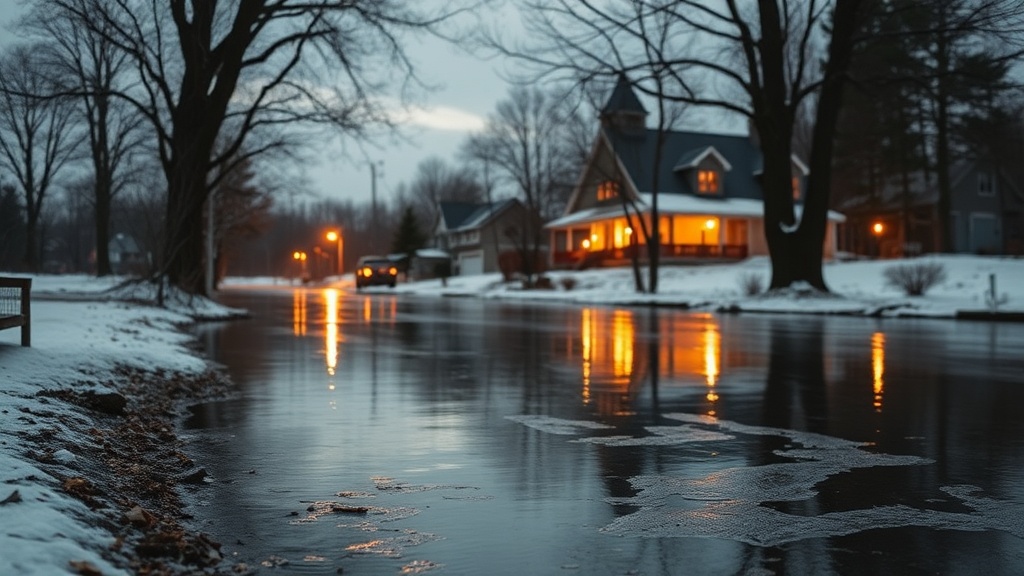
Preparing Your Rideau Lakes Property for Spring Thaw and Flooding Risks

What you need to do before the spring melt hits Rideau Lakes
This guide covers the specific steps you should take to protect your property and local environment in Rideau Lakes as the winter snow melts and the spring thaw begins. We'll look at drainage, shoreline protection, and how to work with local municipal guidelines to keep your land safe.
Living in the Rideau Lakes area means we are constantly aware of the changing seasons. While spring brings much-anticipated warmth, it also brings the reality of heavy runoff and potential water management issues. Whether you live on a waterfront property or in one of our more inland neighbourhoods, understanding how water moves across our landscape is vital for long-term property maintenance.
In our community, the spring thaw isn't just about mud; it's about managing the way meltwater interacts with our local topography. If you've lived here long enough, you've likely seen how quickly a small creek or a drainage ditch can change during a heavy thaw. Being proactive now can save you from expensive repairs or property damage later in the season.
How can I protect my shoreline in Rideau Lakes?
For those of us living along the many inlets and lakes within Rideau Lakes, shoreline erosion is a very real concern. The heavy rains and snowmelt can wash away topsoil and even threaten the stability of your waterfront. One of the best ways to manage this is by maintaining healthy, native vegetation. We've seen that properties with thick, natural buffer zones handle the spring runoff much better than those with manicured, bare lawns right down to the water's edge.
If you are planning any structural changes, remember that we live in a sensitive ecological area. Before you even think about installing a retaining wall or a rip-rap barrier, you must check with the local conservation authorities. The Rideau Valley Conservation Authority provides specific guidelines on what is permitted to ensure we don't disrupt the natural water flow or harm local wildlife habitats. You can find more information on their official site at https://rvca.ca/ to ensure your projects are compliant with local regulations.
Here is a quick checklist for shoreline maintenance:
- Inspect existing structures: Check any existing docks or small retaining walls for signs of shifting or undercut soil.
- Planting: Add native shrubs or perennials that have deep root systems to help hold the soil.
- Avoid heavy machinery: Try not to bring heavy equipment near the water's edge during the thaw, as the ground is soft and easily compacted.
How do I manage drainage on my property?
Effective drainage is the difference between a dry yard and a muddy mess. In many parts of Rideau Lakes, our properties are sloped, which means water travels quickly. You'll want to check your gutters and downspouts before the spring rains actually arrive. If your downspout empties right at your foundation, you're asking for trouble. Directing that water at least six feet away from your house—ideally into a garden bed or a designated drainage area—is a simple way to protect your basement from seepage.
We often see neighbors helping each other out when a drainage issue affects a shared boundary. If you notice a culvert or a ditch near a local road—perhaps near a stretch of Highway 7 or a local side road—that seems blocked with debris, it's worth reporting it to the municipality. Keeping our local waterways clear is a collective effort that benefits everyone in the Rideau Lakes area. A clogged ditch can lead to localized flooding that affects more than just your own backyard.
It's also a good idea to look at your grading. If you see low spots where water tends to pool, consider filling them with topsoil or creating a slight slope. This prevents standing water, which can become a breeding ground for mosquitoes later in the season. We all know how much we value our quiet, bug-free evenings, so a little work now goes a long way.
What are the local rules for land use and water?
It's not just about your backyard; it's about how our actions affect the whole Rideau Lakes ecosystem. The rules regarding land use, particularly near water, are strictly enforced to prevent erosion and runoff into our precious lakes. If you're considering a larger project, like a new driveway or a large shed, please check the local zoning bylaws. This ensures that your improvements don't accidentally cause runoff issues for your neighbors.
For more information on local government and land use, you can visit the Rideau Lakes Township website. Staying informed about local bylaws is the best way to ensure your property remains a valuable asset and a safe place to live. We want our community to thrive, and that starts with respecting the natural laws of our beautiful region.
| Task | Timing | Priority |
|---|---|---|
| Clean Gutters | Late Winter/Early Spring | High |
| Inspect Shoreline | After most snow melts | High |
| Check Drainage Ditchs | Before heavy rains | Medium |
| Verify Local Bylaws | Before starting any project | Essential |
By taking these steps, we aren't just protecting our own homes; we're helping to preserve the natural beauty that makes living in Rideau Lakes so special. Whether it's managing the water on your property or being a good neighbor by keeping your drainage clear, these small actions make a big difference for our entire community.